Sobriety and Fitness: What Alcohol Does to Your Body and How Training Fills the Void
The Day I Put It Down
I got sober on July 3, 2021. I had planned to go out one last time on the Fourth. I never made it. I was too hungover on the Second, and the Third was the day I put the drink down for good.
I am not here to lecture anyone. I spent too many years on the other side of this to wag a finger at the person still in it. I am here because I lived it, and because I have learned a few things on the way out that I wish someone had told me plainly when I was still drinking.
Here is the one I want to start with. Most people do not keep drinking because they love it. They keep drinking because they are afraid of the empty space it leaves behind. That space is real. We will get to it. But first, it helps to be honest about what the drink is actually doing to you while it sits in that space.
What Alcohol Actually Does to Your Body
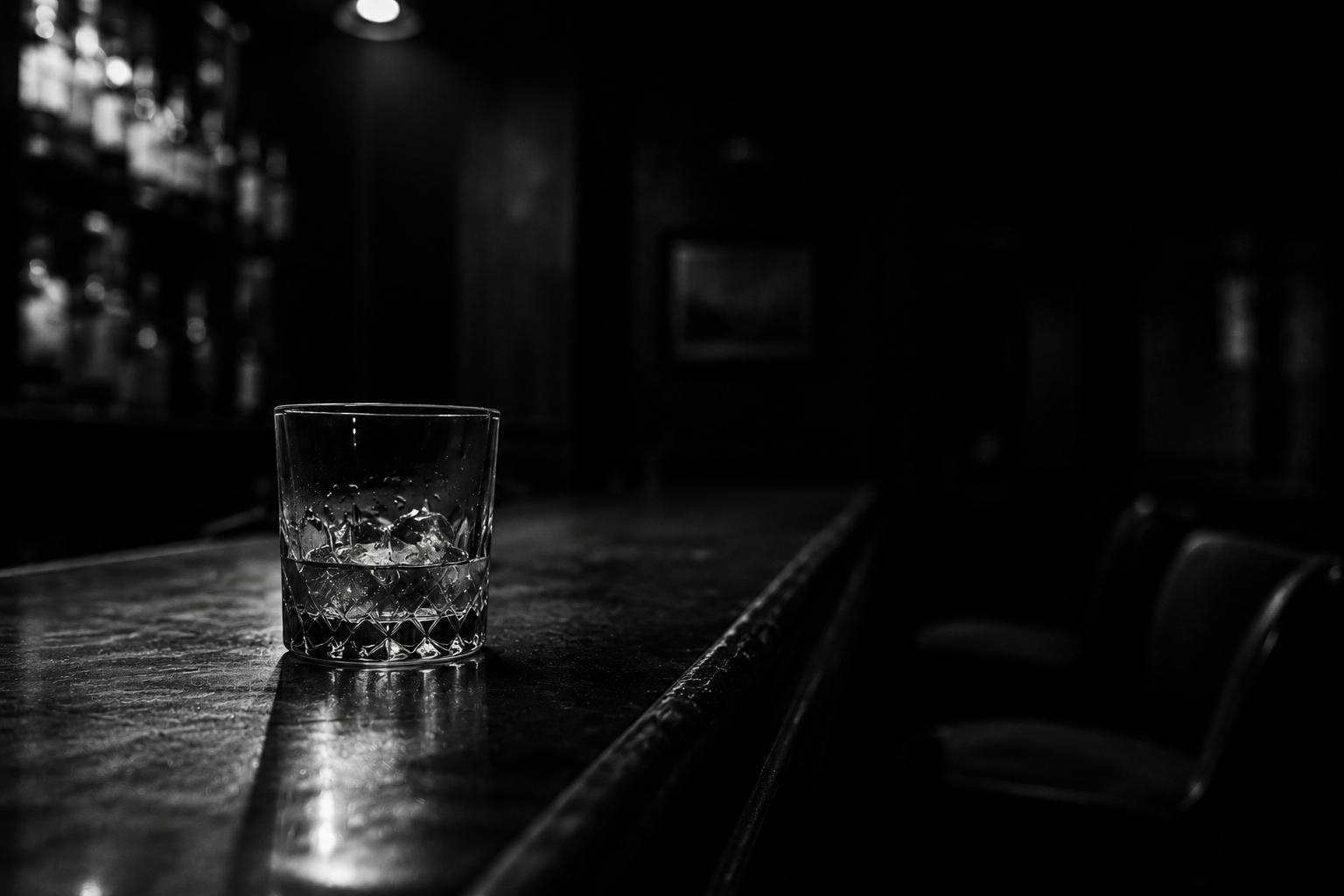
Start with sleep, because it is the one people get wrong. Alcohol feels like it knocks you out, and it does, but the sleep it gives you is cheap. It suppresses REM and cuts into your deep sleep, the stages where your body actually recovers. You can spend eight hours in bed after a few drinks and wake up running on fumes. For years I thought I just slept badly. I slept fine. I drank badly.
Then there is recovery, which matters if you train at all. Alcohol suppresses protein synthesis, the process your muscles use to rebuild after a session. It spikes cortisol, your stress hormone. It dehydrates you. Put those together and you get worse workouts, slower progress, and a body that never quite feels like it is catching up. You can train hard and drink hard, but you cannot do both and expect results. The math does not work.
It also drives inflammation through your whole system and disrupts your gut. That heavy, bloated, low-grade-sick feeling that follows a weekend of drinking is not in your head. That is your body telling you it is working overtime to clean up.
And here is the one most people genuinely do not know. In January 2025, the U.S. Surgeon General issued an advisory naming alcohol as a direct cause of at least seven types of cancer, including breast, colon, liver, esophageal, and throat. It is the third leading preventable cause of cancer in the country, behind tobacco and obesity. For some of those cancers, the increased risk starts at around one drink a day. I am not telling you that to scare you. I am telling you because almost nobody hears it, and you deserve to have the full picture when you decide what to do.
The Void Is Real (And Nobody Talks About It)
Now the honest part.
Alcohol was doing a job. For me it quieted a brain that never shut off. It marked the end of the workday. It made me easier in a room full of people. It was the reward at the end of something hard. I am not going to pretend it was only a poison, because if it were only a poison nobody would struggle to quit.
When you take the drink away, that job does not disappear. The position is still open. You still have a brain that races, a day that needs an ending, a hard week that wants a reward. That is the void. It is not a sign you are weak. It is a vacancy, and your body and your habits notice it immediately.
This is the part most people miss, and it is why so many people quit and then go back. They think the work is putting the drink down. The drink is the easy part. The hard part, the part that actually decides whether you stay sober, is what you put in the space it leaves. If you leave that space empty, something will eventually fill it, and it is usually the old thing.
How Fitness Fills the Void
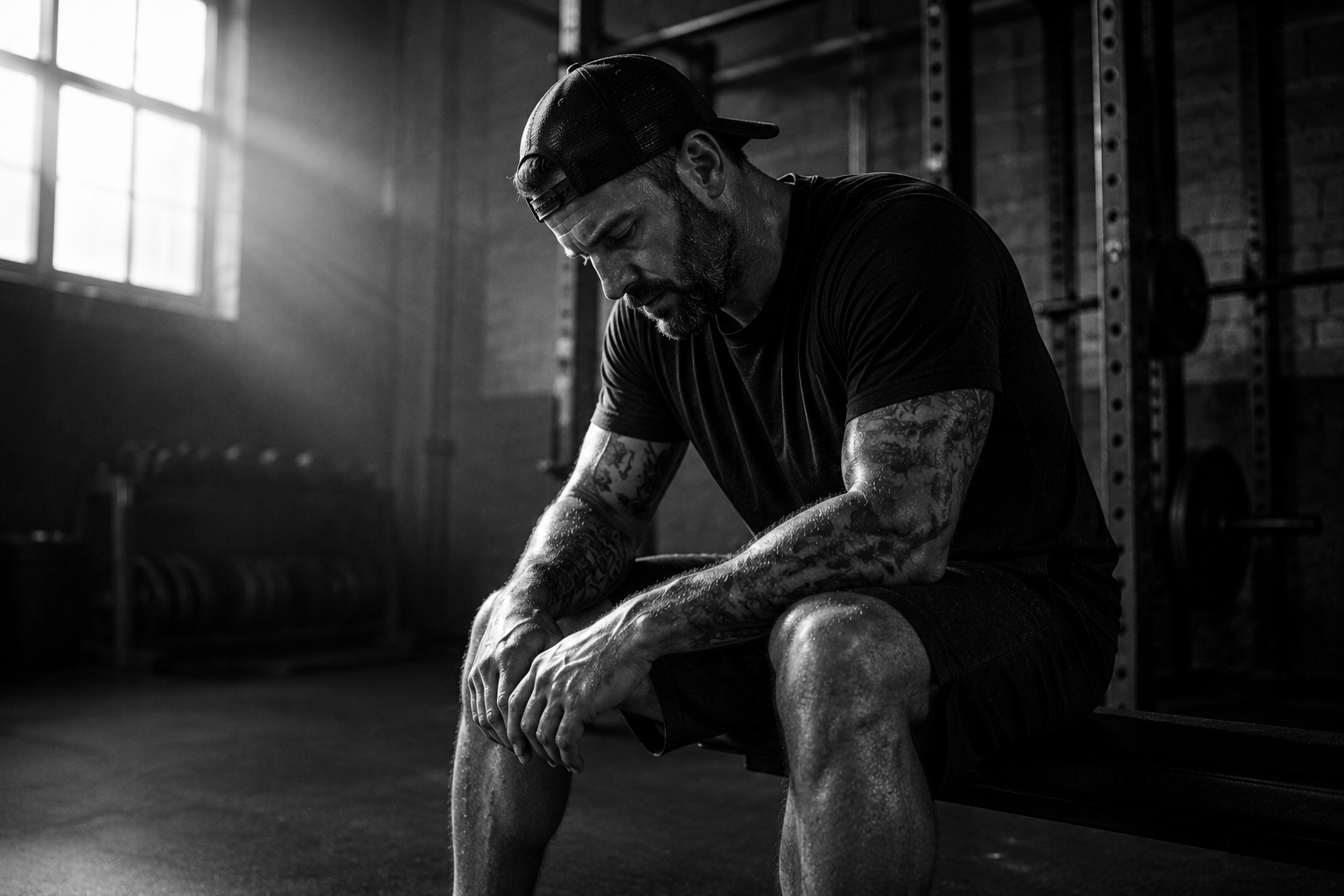
So fill it on purpose. For me, the thing that filled it was training, and I do not think that is a coincidence.
Fitness gives back, honestly, almost everything alcohol gave me dishonestly. Real dopamine instead of a borrowed hit you pay back with interest the next morning. Real stress relief that leaves you better instead of worse. Real sleep. A real reward at the end of a hard day, one that compounds instead of erodes.
It also replaces the ritual. A drink is a wind-down, a marker, a thing you do at the same time for the same reason. A workout is the same shape. It gives the day an ending and your hands something to do. When I feel the old itch show up, that is usually what it is asking for, a marker, a release. Training answers the same question without the wreckage.
And then there is the part that matters most. Addiction strips your self-respect first, before it takes anything else. Fitness is the most direct way I know to build it back, because it is proof you cannot argue with. You lift a weight today you could not lift last month. You finish a workout that would have ended you a year ago. Nobody has to tell you that you are becoming someone different. Your own body tells you, rep by rep, and that quiet evidence rebuilds something the drink spent years tearing down.
The last piece is people. The bar was where I found connection, or a cheap copy of it. The gym gave me the real version. Training partners, a coach, people who show up at the same time and hold you to something. You do not have to do this alone, and you should not try to.
Start Small, Hold the Line
If you take one thing from this, let it be this: do not try to overhaul your entire life on day one. That is how people burn out and quit by Friday.
Start with one thing. One workout. One walk around the block when the itch shows up. One honest day where you put the drink down and pick up something better. Then do it again tomorrow.
This is the whole idea behind the 90/90 Standard,, and I will not sell it to you here, but the principle is simple and it is true: roughly ninety days of showing up changes the wiring. Not perfectly. Not without bad days. But the brain that felt like it could not function without a drink slowly learns that it can, and that it is better for it. You do not think your way there. You train your way there, one day at a time.
And give yourself room to be imperfect. I am not perfect and I do not chase perfection. I chase my best effort, most days, and I let the bad days be bad days without letting them become the whole story. That is the standard I actually hold to.
The void is real. I will not pretend otherwise. But it can be filled, and after years of looking, fitness is the most honest tool I have found to fill it. It gave me back my sleep, my body, my self-respect, and a reason to get up that does not cost me anything the next morning.
If you are standing where I stood, put the drink down and pick up the work. Start small. Hold the line. I am proof it can be done.
If you are ready to fill the void with something real, that is exactly what the 90/90 Standard is built for.Ninety days. Fitness, discipline, and sobriety. No negotiation. It is the framework I built on myself before I gave it to anyone else.
Apply for the 90/90 Standard →
This is a personal account and reflects my own experience, not medical advice. Alcohol withdrawal can be dangerous and in some cases life-threatening. If you are a heavy daily drinker, please talk to a doctor before you stop, and reach out to a qualified professional or a support line if you are struggling.